It started with a pizza night post.
I shared a casual homemade pizza dinner on Instagram, and mentioned offhand that I’m taking berberine before the meal. My DMs immediately filled up with questions. What is berberine? Why do you take it? Is it safe? Should I be taking it?
So I figured it deserved a proper answer, not just a quick second reel, but a real conversation. Because berberine is one of those supplements that gets a lot of buzz, a lot of oversimplification, and honestly, not enough nuance. It’s worth understanding before you add it to your routine.
Let’s get into it.
What Is Berberine, Exactly?
Berberine is a naturally occurring plant compound, a bioactive alkaloid found in the roots, bark, and stems of several plants including barberry, goldenseal, Oregon grape, and tree turmeric. It’s been used in traditional Chinese and Ayurvedic medicine for thousands of years, primarily for digestive issues, infections, and inflammation.
More recently, it’s become a significant focus in functional and integrative medicine, particularly for its effects on blood sugar, insulin sensitivity, and metabolic health. And the research is genuinely impressive for a plant compound.
It’s not a trend. It’s not a new discovery. But it has gotten louder in wellness circles over the last few years, and like most things that get loud, it’s worth separating the hype from the actual science.
How Berberine Affects Blood Sugar and Metabolism
This is where berberine really stands out, and why it gets compared so frequently to metformin, the medication commonly prescribed for type 2 diabetes and insulin resistance.
Here’s what’s happening in your body: when you eat, especially a meal higher in carbohydrates, your blood sugar rises. In response, your pancreas releases insulin, which acts like a key — it unlocks your cells so glucose can enter and be used for energy. When that system works well, blood sugar rises, insulin does its job, and levels come back down smoothly.
But when cells become resistant to insulin, which happens gradually over time, often in response to chronic stress, poor sleep, a diet high in processed foods, hormonal shifts, or simply the metabolic changes of midlife, that “key" stops working as efficiently. Glucose stays in the bloodstream longer, blood sugar stays elevated, insulin keeps getting pumped out, and your body starts storing more fat, especially around the middle.
This is insulin resistance, and it’s incredibly common, especially in women in their 40s and 50s. You might not have a diabetes diagnosis, or even a pre-diabetes flag on your labs, but you could absolutely be experiencing the early signs: energy crashes after meals, strong carb or sugar cravings, difficulty losing weight despite eating well, brain fog in the afternoon, and waking up tired even after a full night of sleep.
Berberine works through several mechanisms, but one of the most significant is activating an enzyme called AMPK, sometimes called the body’s “metabolic master switch." When AMPK is activated, it helps cells become more sensitive to insulin, improves how glucose is transported into cells, reduces the amount of glucose the liver produces on its own, and supports healthier energy metabolism overall.
Multiple studies, including a well-cited 2008 trial published in Metabolism, have found berberine to be comparable to metformin in lowering fasting blood glucose and HbA1c (a marker of longer-term blood sugar control). That’s a pretty remarkable finding for a plant compound.
It’s important to say clearly: berberine is not a replacement for medication if medication has been prescribed to you. But for someone working on metabolic health from a functional, food-first angle, it’s a meaningful tool.
The Berberine-Metformin Comparison: What You Should Know
You’ve probably seen berberine described as “nature’s metformin" on social media, and while I understand why that framing is appealing, I want to give you a more complete picture.
Metformin is a well-studied, widely prescribed medication. It works primarily by reducing glucose production in the liver and improving insulin sensitivity. Berberine overlaps significantly in its mechanisms, both activate AMPK, both reduce hepatic glucose output, both improve insulin sensitivity. Some head-to-head studies have shown similar efficacy.
But they’re not identical. Metformin has decades of safety data across massive populations. Berberine’s research, while promising, is still growing. Metformin is also standardized in dosage in a way that supplements are not.
If you’ve been prescribed metformin, please don’t swap it out for berberine without talking to your doctor. If you’re someone exploring metabolic support from a preventative or functional standpoint, and you’re not on blood sugar medication, berberine is worth a genuine conversation with your practitioner.
How Berberine Is Actually Used
This is one of the things that gets skipped in most social media posts about berberine, so let’s talk about it practically.
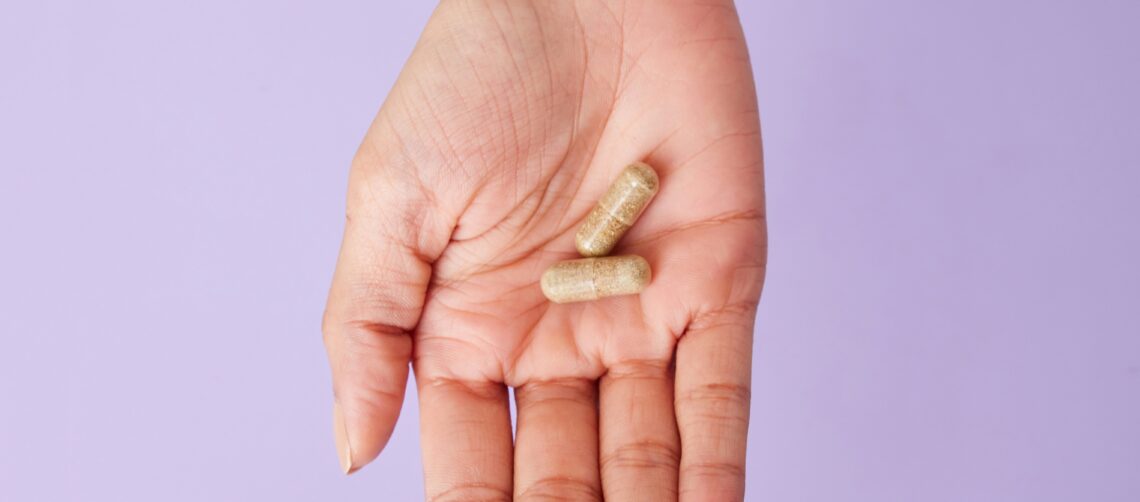
Dosage and timing. The most well-studied dose is 500mg taken two to three times per day, with meals. This helps keep berberine levels steadier in the bloodstream (it has a relatively short half-life), and taking it with food reduces the likelihood of digestive discomfort.
Therapeutic vs. situational use. Some people use berberine consistently at the 2–3x daily dose, especially if they’re actively working on insulin resistance, managing PCOS, or supporting blood sugar as part of a functional protocol. Others, like me, use it more situationally, taking it before a meal that’s higher in carbohydrates. There’s no universal right answer here; it depends on your goals and your current metabolic picture.
Cycling. Because berberine has potent effects on the gut microbiome (more on that in a moment), most functional practitioners recommend cycling it, typically 8 to 12 weeks on, followed by a break of several weeks. This isn’t something most supplement bottles will tell you, but it matters for long-term gut health.
Starting low. If you’re new to berberine, starting at a lower dose, even 250mg once daily, and building up gradually is a smart move. Digestive discomfort, including loose stools or cramping, is the most common side effect and is usually dose-related.
What Berberine Does to Your Gut, And Why This Part Matters
This is the piece of the berberine conversation that I feel doesn’t get nearly enough attention, especially for an audience that cares about gut health.
Berberine has significant antimicrobial properties. Historically, this is actually one of the reasons it was used medicinally, it was effective against gut pathogens, infections, and even some parasites. It can help reduce overgrowth of harmful bacteria, certain fungal strains like candida, and has been studied in the context of SIBO (small intestinal bacterial overgrowth).
For someone dealing with gut dysbiosis, an imbalance between beneficial and harmful bacteria, berberine can genuinely be a useful therapeutic tool. It’s one reason why some functional medicine practitioners incorporate it into gut protocols alongside dietary changes.
Here’s the nuance though: berberine’s antimicrobial activity is not selective. It doesn’t just go after the “bad guys." With consistent, long-term use at higher doses, it can also impact your beneficial bacteria, the very strains that support digestion, produce short-chain fatty acids, regulate immunity, and influence mood and hormones.
This doesn’t mean berberine is bad for your gut. It means it’s a tool that deserves respect and intentionality. If you’re taking it consistently, a few supportive practices make a real difference: taking a high-quality probiotic (ideally at a different time of day than the berberine), eating a diet rich in prebiotic fiber from vegetables, legumes, and whole grains, and incorporating fermented foods like yogurt, kefir, kimchi, or sauerkraut regularly.
And cycling, as mentioned above, is a genuinely important consideration for gut health, not just a precaution.
Who Might Benefit From Berberine?
Berberine isn’t for everyone, and I’m not here to tell you it should be part of every woman’s routine. But there are certain patterns I see regularly in my practice where berberine often comes up as a relevant tool to explore:
Women dealing with insulin resistance or pre-diabetes who are working on blood sugar support from a food-first, functional approach. Women with PCOS, where insulin resistance is frequently a driving factor in symptoms. Women navigating perimenopause and menopause, where metabolic shifts, changes in how the body processes glucose, increased visceral fat, and declining estrogen affecting insulin sensitivity, can show up seemingly overnight. Women supporting gut health as part of a broader protocol, particularly those dealing with bacterial overgrowth or dysbiosis.
It’s also worth noting that berberine has shown anti-inflammatory effects and some promising research in the areas of cholesterol support and cardiovascular health, though those aren’t the primary reasons most people are reaching for it.
Important Considerations Before You Start
I want to be straightforward here, because this matters.
Berberine can interact with medications, most significantly blood sugar medications (if you’re on metformin or insulin, adding berberine without guidance could cause blood sugar to drop too low), as well as some cholesterol medications and certain blood thinners. Please have a conversation with your doctor or a qualified practitioner before adding it if you’re on any prescription medications.
Berberine is also not recommended during pregnancy or breastfeeding.
Quality is genuinely significant with this supplement. Berberine bioavailability varies considerably between products, and not all supplements are tested for purity or potency. This is one area where I really do recommend investing in a reputable brand, not the cheapest option you can find.
Why I Take It, And What It Looks Like in Practice
I want to be clear that I’m not someone who takes a lot of supplements. I’m food-first, always. My philosophy is that the foundation, what you eat, how you sleep, how you manage stress, how you move, matters far more than any supplement you can add on top of an unstable base.
But berberine is one I’ve incorporated thoughtfully, and it’s become a tool I genuinely reach for, particularly before a meal that I know will be higher in carbohydrates. Not because I’m afraid of carbs (I’m not, and you shouldn’t be either). But because I have a history of blood sugar dysregulation, I’m navigating midlife metabolic changes, and I’ve found it helps me feel more even after meals that might otherwise leave me tired and craving more food an hour later.
Pizza nights still happen. Family dinners still happen. Life still happens. Berberine just helps my body handle them a little more gracefully.
The Bottom Line
Berberine is a well-researched, plant-based compound with meaningful effects on blood sugar, insulin sensitivity, metabolic health, and the gut microbiome. It’s not magic, it’s not a quick fix, and it doesn’t replace the fundamentals of how you eat and live. But used thoughtfully, with good quality, and with an understanding of both its benefits and its nuances, it can be a genuinely useful part of a functional health toolkit.
If you’re curious whether it makes sense for you, I’d encourage you to start by looking at your own metabolic picture, your energy after meals, your cravings, how you feel in your body, and having a conversation with a practitioner who understands functional and root-cause health.
And if you want to know which berberine I personally use and trust, I love THIS ONE.
Disclaimer: This post is for educational purposes and does not constitute medical advice. Please consult with your healthcare provider before starting any new supplement, especially if you are on medication or have an existing health condition.
Enjoyed this post? If you’re navigating midlife health changes and want more support around blood sugar, gut health, and hormones, this is exactly the kind of work we do together in my programs. Learn more about working with me here.