Creatine isn't just for athletes. Here's why women at every life stage, from your 30s through menopause and beyond, are talking about it, and what the research actually says.
I get asked about creatine a lot. Like, a lot a lot. And most of the questions I get from women sound something like:
- Is it safe?
- Do I have to be working out to take it?
- Is it going to make me bulky? I heard it's for bodybuilders…
- Will it make me bloated?
- Will it make me retain water?
So let me clear this up, because creatine is one of the supplements I genuinely recommend (and take), and I think it deserves a proper explanation, not just a quick “yes, take it."
So what actually is creatine?
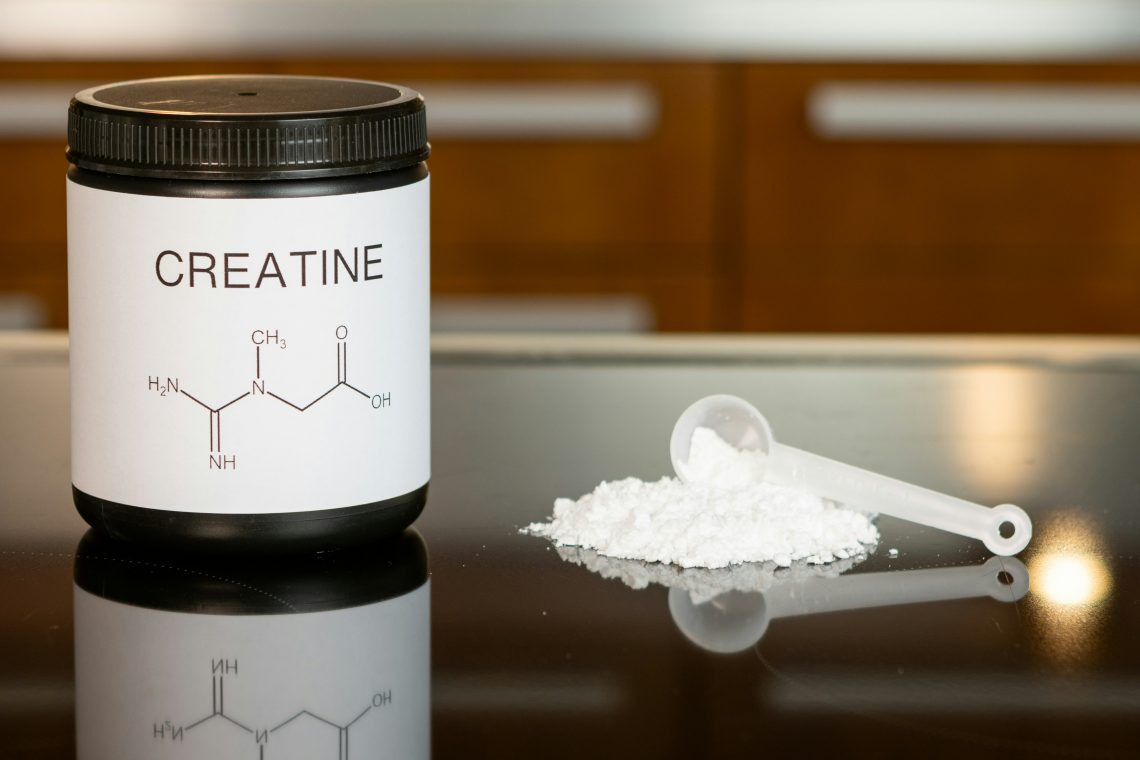
Creatine is a compound your body already makes naturally from amino acids. It's stored mostly in your muscles and used to produce quick bursts of energy, specifically something called ATP, which is basically your body's energy currency. You also get small amounts of creatine from foods like meat and fish, but not nearly enough to see the benefits research is pointing to.
When you supplement with it, you're essentially topping up your body's natural stores so everything runs a little more efficiently: your muscles, your brain, your recovery.
And no, it won't make you bulky. That's one of the most persistent myths around this supplement, and it's simply not how it works for most women.
Why are women, especially in midlife, talking about it so much right now?
Because the research is genuinely compelling, and it goes way beyond the gym.
- Muscle and metabolism support. After 40, women naturally start losing muscle mass, a process called sarcopenia, and with it, metabolic rate tends to slow down too. Creatine helps your muscles work more efficiently, supports strength, and can help counter that age-related loss. This matters even if you're not lifting weights, because muscle is metabolically active tissue that keeps your metabolism functioning well.
- Brain health and mental clarity. This is the one that surprises people most. Your brain uses a huge amount of energy, and creatine supports that energy production. Research shows it can help with memory, focus, and cognitive function, particularly during perimenopause and menopause, when brain fog is one of the most commonly reported and least-talked-about symptoms.
- Mood and stress resilience. Creatine plays a role in how your brain produces and regulates neurotransmitters like serotonin and dopamine. Some research links adequate creatine levels to better mood and reduced anxiety, which, for women navigating hormonal shifts and the general weight of daily life, is worth paying attention to.
- Recovery and fatigue. If you exercise, creatine speeds up recovery and reduces soreness. But even if you don't, it can help reduce the kind of general fatigue that makes everything feel harder than it should.
- Sleep. Emerging research suggests creatine may help the brain recover from disrupted or insufficient sleep, which is relevant for basically every woman I know.
Does it matter what life stage you're in?
Actually, yes, and this is what I love about this supplement. It's relevant across the board.
If you're still in your menstrual phase, creatine can support energy, exercise performance, and even mood around your cycle. If you're pregnant, some research points to benefits for fetal brain development, though please check with your doctor before taking anything during pregnancy. Post-pregnancy, it supports rebuilding strength and muscle. And in perimenopause and menopause, it's particularly valuable for countering muscle loss, supporting metabolism, and maintaining mental clarity.
Women under 40 can absolutely benefit too. It just becomes especially important after 40, when muscle and cognitive health really start to become a priority.
Do you have to be working out to take it?
No. While creatine is most known for its role in exercise performance and muscle building, the brain health, mood, and energy benefits exist independently of whether you're hitting the gym. That said, if creatine gives you a little more energy and strength and that motivates you to move more, I'd consider that a nice bonus.
How much and what kind?
The form I recommend is creatine monohydrate, it's the most researched, most effective, and typically the most affordable. There's no need for fancy blends.
For general health and muscle support, 3–5g per day is the standard recommendation. If brain health and mental clarity are your primary goal, some research suggests 5–8g per day. Either way, you don't need to do a “loading phase", just take it consistently every day and you'll build up your stores over a few weeks.
Timing doesn't matter much. Take it whenever it fits into your routine. I like adding mine to a smoothie, it's tasteless and dissolves easily, so you genuinely won't notice it's there.
“But I heard it causes bloating and water retention…"
This is probably the concern I hear most from women, and I want to address it honestly, because there's some truth to it, but a lot of unnecessary fear around it too.
Creatine does pull water into your muscle cells. That's actually part of how it works, well-hydrated muscles are stronger, more resilient, and recover faster. So yes, when you first start taking it, you may see a small uptick on the scale, usually somewhere between 1–3 pounds in the first week or two. For some women, this feels alarming. I get it. But this is intracellular water, water inside your muscle tissue, not water sitting under your skin making you feel puffy.
The kind of water retention that makes you feel bloated or swollen, that uncomfortable, puffy feeling around your belly, face, or hands, is different. That's typically extracellular water, and creatine isn't the culprit there. If you're experiencing that kind of bloating or puffiness, it's more likely connected to things like sodium intake, hormonal fluctuations, gut issues, or inflammation.
That said, some women do report mild digestive discomfort when they first start, usually when taking too much at once or on an empty stomach. If that's you, the fix is simple: start with a smaller dose (2–3g rather than 5g), take it with food, and make sure you're drinking enough water throughout the day. For most women, any initial digestive sensitivity settles down within a week or two as your body adjusts.
One more thing worth knowing: if you were ever told to do a “loading phase", taking 20g+ per day for the first week, that old-school approach is largely what was behind a lot of the bloating and GI complaints in early research. Most current guidance skips the loading phase entirely. Just start with 3–5g daily and let your stores build gradually. Gentler on your system, same result.
The bottom line: the scale may nudge up slightly at first, and that's your muscles holding onto hydration, which is a good thing. True bloating and puffiness from creatine are far less common than the internet would have you believe, and usually come down to dose or how you're taking it rather than creatine itself.
My take
Creatine is one of the most well-researched supplements out there, with a strong safety profile and a wide range of benefits that are particularly relevant for women. It's not a quick fix and it's not dramatic, it's more like a quiet, steady support for your muscles, your brain, and your energy over time.
If you're in your 40s or beyond and haven't considered it yet, it's worth looking into. And if you've been avoiding it because you thought it was just for gym bros, I hope this helped change that.
As always, if you're on medication or have any underlying health conditions, check with your healthcare provider before starting anything new.
I love adding my creatine to smoothies. Here are two smoothie recipes I know you will love!

Arabian Morning Smoothie

Chocolate Covered Strawberries Smoothie